The Gear - Part 5 - Worn Weight
Thursday, Feb 7, 2019 | 8 minute read | Updated at Thursday, Feb 7, 2019
Now, it’s been established that fashion is at least 49% of what is important on the trail. As I’ve said before, not everyone agrees. If you’re reading this, and you have a scowl on your face from lack of understanding, that’s ok. I still respect you as a human being.
Not everyone has the genetic code to unlock such mysteries.
But for those who do, you’ll understand when I say that fashion is 49% important.
Just behind survival. But just barely.
Fancy hat
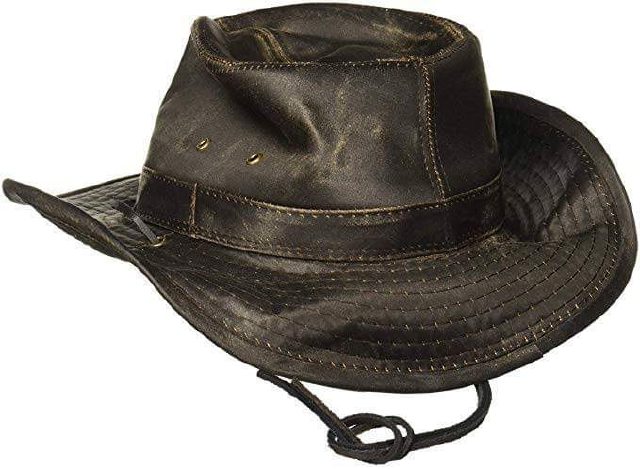
I looked into various headwear for blocking out the sun and cold, but it seemed clear that a fedora was the only option after trying several on.
I ordered ten different hats from Amazon, tried them all on, found the best one, and returned the rest.
I was open to several types of headwear, including the standard trucker hat and bandana combination. Baseball caps, however, reek of bro’ness.
I thought about it.
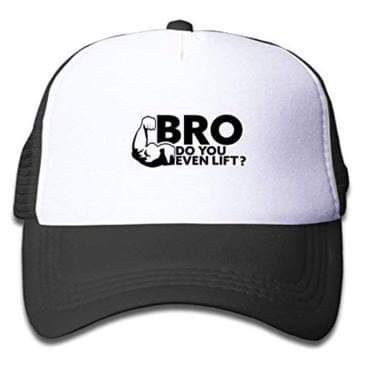
But I couldn’t. I just couldn’t.
The other option was a sport hat, which has excellent protection from everything, and is extremely practical.
Maybe one day, I’ll be in a situation where the functionality of this hat is absolutely necessary, but honestly, I didn’t want to put that hat on every day and face the world.
Sometimes functionality outweighs fashion.
Sometimes.
But not today.
I’m partial to fedoras when worn in the right situation, so when it came time to find one, ordering all the hats on Amazon was the most fun option. The one I chose is the lightest of all the hats I tried, and significantly lighter than the other water proof options. It’s surprising that it’s both waterproof and 52% cotton (48% polyester), but I held it under a faucet without a problem. Combined with the UPF 50 protection, and a wide brim to block out direct sun, it was a clear winner. To top it all off, the hat is also crushable, many times being stuffed without regard into my pack when it was too cold to wear a fedora. This particular look fits me well, and will define my trail presence going forward.
Top
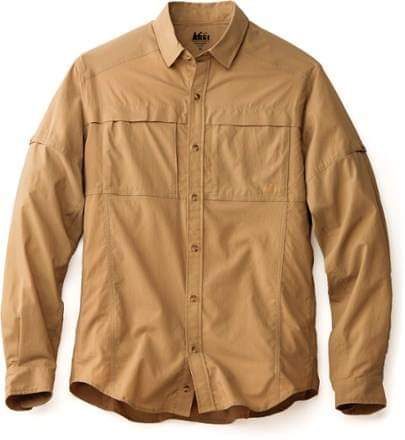
My top is an REI Sahara Long Sleeve button-up. It’s perfect - very light with mesh underarms for heat dissemination. Being a densely woven nylon, it’s UPF 50, preventing mosquitoes and other hateful insects from wreaking their havoc. While insects were not a problem in the Arizona winter, I used a similar top in the Uinta mountains last summer, and never had a problem with bugs.
Last summer, I had a white one. It retained the white color very well, in spite of all the dirt.
For the Arizona Trail, I chose a dark blue teal, because each trail has to have a different color scheme (obviously), and because it went well with my orange accents.
Pants
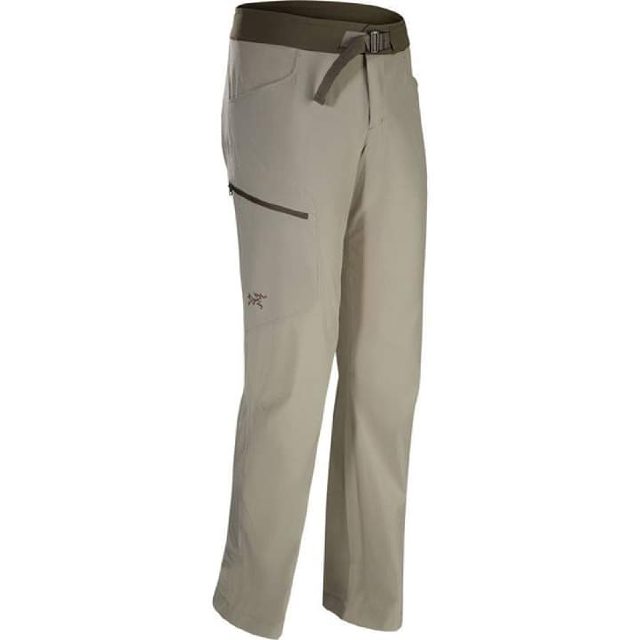
For pants, I wore the Arc’teryx Lefroy. These are remarkably thin and lightweight. Even so, I was surprised that they never tore or snagged on even the sharpest cacti. They did get two tears from metal wire barbs, which is unfortunate, but understandable.
Some ranchers put up metal wire, and the real jerks use barbed wire for no particular reason. The barbs are difficult to avoid when opening a warped gate meant for two people to operate. Both tears happened on the same very frustrating day, so really, it was just the wilderness toying with my emotions. I sewed them both up with floss and a needle. Ultimately, though, I chose these pants because not only are they functional, but they look great on me. They accentuate all the things, even when loose from 10 days wear.
Socks
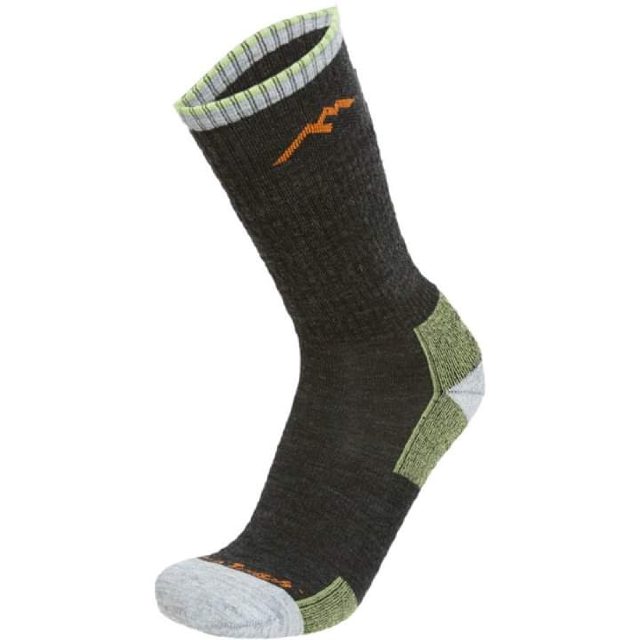
I carried two pairs of socks for most of the trail, using a clean pair for sleeping until the second wore out. Both pairs I started with were REI merino wool - they did not hold up well. REI socks are a waste of money under heavy use.
I replaced the primary pair with Darn Tough crew socks. These things are amazing. They’re expensive, at $20 per pair, but they come standard with a lifetime warranty, which is remarkable for socks. There’s no question, though: they are darn tough. I will be wearing them for thousands of miles to come, at least, and I doubt I’ll ever get any other type of hiking sock.
Underwear
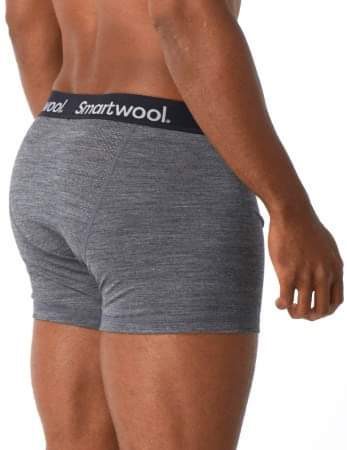
The real winner, in terms of clothing, however, is the Smart Wool boxer brief. I carried only one pair, because honestly, I didn’t need anything more.
Being merino wool, they really didn’t acquire any unpleasant scents. Given that the longest stretch I went without a shower was 10 days, that is remarkable. Now, maybe it would be different in the summer, but washing them once every week or two was just fine.
The best part about them was that they covered my inner thighs and didn’t ride up, thereby avoiding one of the most likely and problematic chaffing areas.
I did have to replace the first pair after 500 miles, as that much rubbing of the inner thighs had worn away the material. The second pair is still going strong.
They’re expensive, at $50 per pair, but well worth the cost, considering how well they held up, their chaffing protection, and most of all, the lack of bacteria buildup from sweat in spite of wearing them every day for a month, having been washed maybe 5 times.
Footwear
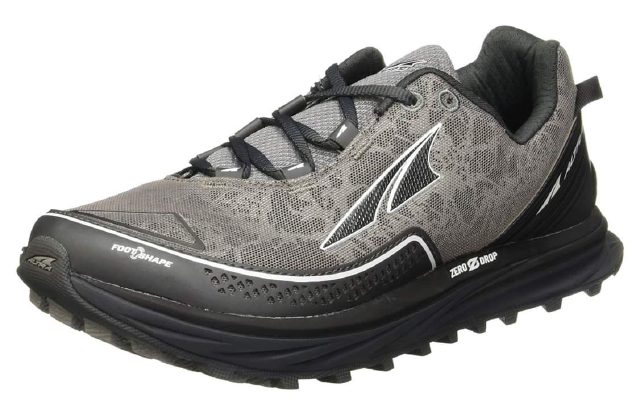
I started out with brand new Altra Timps. Originally, like most new hikers, I thought you needed boots.
Hiking boots. That’s what people wear, right?
No.
Maybe in the early 90s, when they didn’t know any better. Today, however, trail runners are the way to go. They say that one pound on your feet feels like 5 pounds on your back, not to mention the added material that can cause blisters and a variety of other problems.
Some folks say boots give your ankle more support. I don’t buy into that. By the time you have stepped on your foot, you either have the stability for a solid step, or you don’t. If you’re rolling your ankle, the boot isn’t going to help. Personally, I think boot support, at least mid-level boot support, is a cargo-cult belief, and not rooted in truth.
Trail runners, on the other hand, are lightweight, dry easily, and are often less expensive. Originally, I had Salomon X Ultra 3’s, but the foot box felt compressed, and I earned a blister after 3 days of walking last summer. I switched to Altras because the foot box is actually foot shaped: much wider. It seems like the most reasonable shape for a shoe.
I now get no blisters.
I did get one after coming down a mountain for an entire day - in the front of my right big toe. My Altra Timps were a half size bigger than my normal shoe size, but since your foot expands as you hike, both from muscle buildup and normal swelling throughout the day, one half-size was not enough.
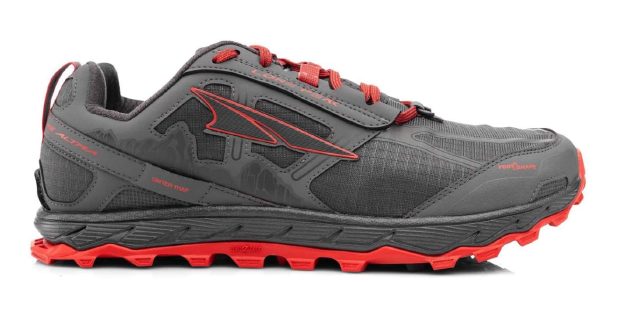
After around 500 miles, hiking shoes need to be replaced. They start to wear; you can develop problems in your gait, and bad mechanics can lead to a myriad of problems, particularly when you’re walking so much day to day. I switched to the Altra Lone Peak 4, and went a full size bigger than my normal shoe size. I switched not because there was anything wrong with the fit of the Timps, but because the shoe lace portion of the Timps are off centered, and as a result, they don’t work well with self-tying shoe laces or gaiters.
I found that a full size larger is the sweet spot, as downhill trails never bothered me again.
I no longer have to worry about blisters, at all.
The Lone Peak 4s have an orange accent, and that goes well with my total outfit. The Timps have more cushion, but given the offset shoe laces, I will likely continue to use the Lone Peak 4 in the future, and potentially try the Altra Olympus line. I don’t see myself ever using any other brand apart from Altra.
Speaking of cushion - I find it to be a poor substitute for a hard surface.
I’ve been using hard plastic insoles since I was 15; my parents gave me a pair when they were trying them for themselves, and I tried them just because it seemed reasonable. I’ve been using them ever since, so much so that I don’t put on any shoes, ever, without them. I would try to go without them for a day or two every once in a while, but I didn’t have as much pep in my step; I suspect that my strong arches, and lack of foot pain, ever, are due to my foot development in proper form due to hard insoles.
It could be genetics, of course. But it’s more acceptable to be smug due to personal choices than genetics. So that’s what we’re going with here.
For the past year, the insoles have been showing wear, such that the hard plastic has mostly worn away. As such, I decided to toss them permanently when I switched shoes, and dearly regretted it. Afterwards, on the trail, I could feel every rock, plant, and root in my feet, and that became a problem after a couple of days. I wouldn’t say it caused pain, but I will say it caused me to watch where I stepped more, whereas with the hard insoles, I just stormed forward without regard.
I will be acquiring new hard insole arch supports.