The Gear - Part 4 - Rain Gear, Cold Gear, & Water Kit
Wednesday, Jan 23, 2019 | 7 minute read | Updated at Wednesday, Jan 23, 2019
Rain Gear
I chose my rain jacket because it looked great on me, and as far as I knew, it was a relatively lightweight 3 layer Gore-Tex jacket. Being Gore-Tex, it’s a hard shell jacket that held up quite well, both for rain and when walking through all manner of cactus and needle. As a result, I never need to be careful about what I was walking through - I let every sharp item scrape against the jacket, and it had no problem repelling all manner of Caryophyllales.
I say “nearly” because there are some cacti that are strong enough that hitting a needle straight on will pierce your skin, even underneath clothing. Those cacti are evil.
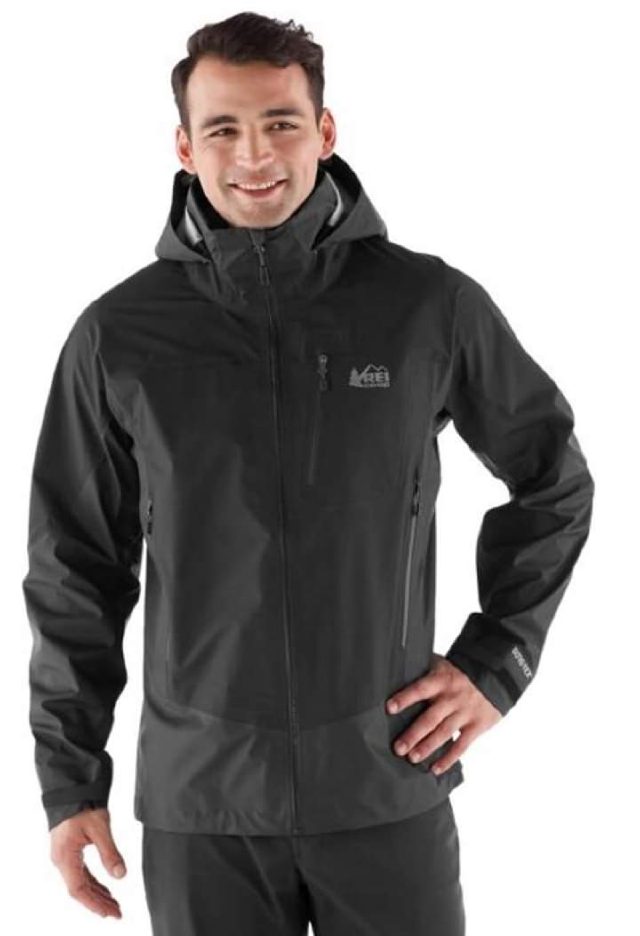
I had the REI Stormbolt; I liked the jacket quite a bit, but as I learned more, at 14.6 ounces, it is far too heavy. I am somewhat torn, because a lighter weight jacket would probably not repel the rigors of the trail as much; I wore it for protection far more often than I did for rain.
I will be switching a lighter rain jacket, but I reserve the right to switch back to Gore-Tex should it not provide all the functionality I need.
14.6 ounces. Ugh.
I didn’t carry rain pants, and for the most part, it was the right decision. There were exactly two times when I regretted not having them - one night and the following day. Given my choice on rain jacket, however, I probably would have purchased some pants that were quite heavy, and in retrospect, carrying them for 800 miles when I only needed them twice would not have been worth it.
I always want to solve a problem and be ready to maintain comfort, but walking the trail has taught me that even if you can solve “the problem”, a little bit of discomfort is ok in order to have a lower base weight, and therefore comfort for a greater period of time. I already know this in life, but now I’m reminded of it for the trail.
I have not decided whether I will carry rain pants in the future. It will likely depend on whether I’m hiking through snow. If so, I will probably opt for rain pants so that they may double as a reasonable wind pant.
I did not have rain gloves, or any type of waterproof layer for gloves. This was not good. When it was cold and raining, having reasonably moveable fingers would not only have been nice, but had I been in more questionable situations, they would have been necessary. In addition, sometimes you need to dip your hand in cold water when acquiring it for filtering. I cannot tell you awful it was to dip my hands in water when it was 20º outside, and then have to do it again, and again, and again.
I will be carrying a water proof gloves in the future.
Cold Gear
Insulated Jacket
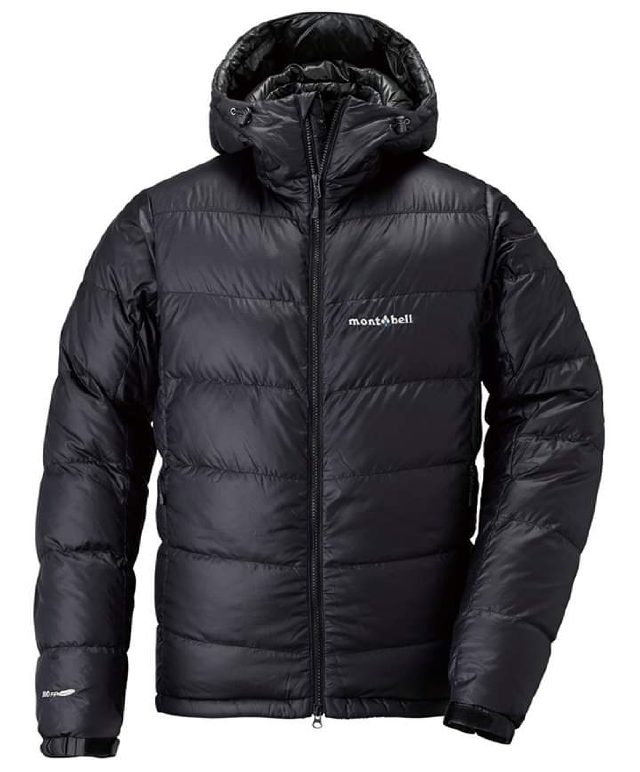
When I first went backpacking, I was told by a more experienced hiker that I should always have a mid-weight down jacket when hiking at any high elevations. Given that I was going to be hiking in winter, it seemed only reasonable to carry it with me. I have the Montbell Mirage Parka; I wore it every morning, every evening while I set up camp, and nearly every night for the first 500 miles, and at least once a day for the last 300 miles.
Basically, if I wasn’t walking, I was wearing it. It was absolutely necessary. Twice, it was cold enough that I wore it walking - without it, I would have been extremely uncomfortable at the very least, and in danger at the very worst. It’s a great jacket.
Again, however, it’s far too heavy. At 12.8 ounces, I don’t want to carry it everywhere, all the time, particularly when there are lighter options available at the same weight.
It’s a great jacket, but I will replace it.
Gloves
I had several gloves throughout the course of the trail. For the first 200 miles, I had a bad habit of loosing one glove, because I kept them loosely tucked in my packet. Once I noticed they were gone, I had traveled 20 miles ahead. While I certainly adhere to Leave No Trace principles, I was not willing to backtrack 10-20 miles in order to find my gloves.
Twice, I did backtrack a full mile to find them, and was angry the entire time.
I finally learned that if I take my gloves off, they need to be zipped up, or stored in place where it’s impossible for them to fall out. It’s now ingrained into my process, and I don’t even think about it.
All the gloves I had were fleece gloves. They were fine, until it was cold, windy, and wet. I will continue to carry some sort of fleece, or fleece-like material, but only if they are supplemented by a water proof layer.
Balaclava
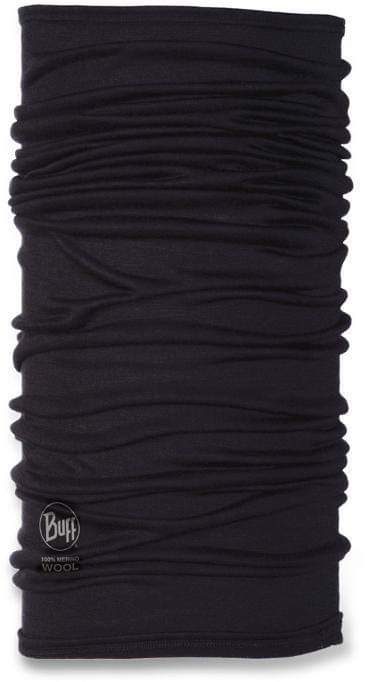
I carried a balaclava for several hundred miles. I originally purchased it for walking around Salt Lake in the winter, and it was ok. It looked cool, and that was 50% of my goal when I originally purchased it. On the trail, however, it did not do well. I needed something that covered the back of my neck as well as the front, in addition to my face.
I replaced it with a lightweight merino wool, multipurpose buff. I resisted getting a buff because the first person I heard mention it is annoying, but I finally gave in, and am all the better for it. I will be carrying it going forward, and plan on getting a second one.
Water Kit
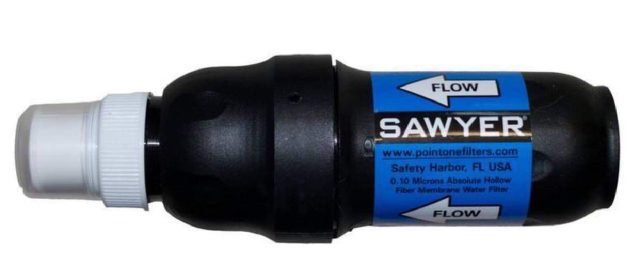
I initially carried the Sawyer Squeeze. This is the gold standard for hikers. It’s 3 ounces, and does the job. The AZT, however, is mostly cow pounds and silt-laden water, so you need to back-flush often to clear the filter of obstruction, even in the midst of filtering one liter.
I had a double-female screw connector, wherein I could connect two bottles next to each other, which allowed me to filter without worrying about dropping anything, and also back-flush very quickly without disconnecting anything.
At one point, I might have left the Squeeze out for too long, and it might have frozen. Normally, I keep it in my jacket, particularly overnight when I’m sleeping, so that the filter doesn’t freeze - once it freezes, it can no longer be trusted to filter properly. It was then that I started getting comfortable with the Iodine tablets.
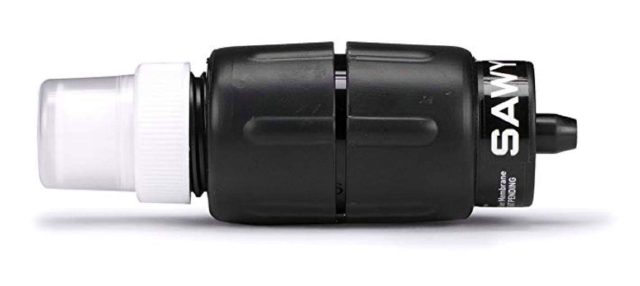
I eventually replaced the filter with the Sawyer Micro, which weighs only 2 ounces, but is supposed to have the same flow rate. I found it was much slower, but it’s hard to be sure since different water sources have different amounts of silt, and the farther south I traveled, the more silt I had to deal with.
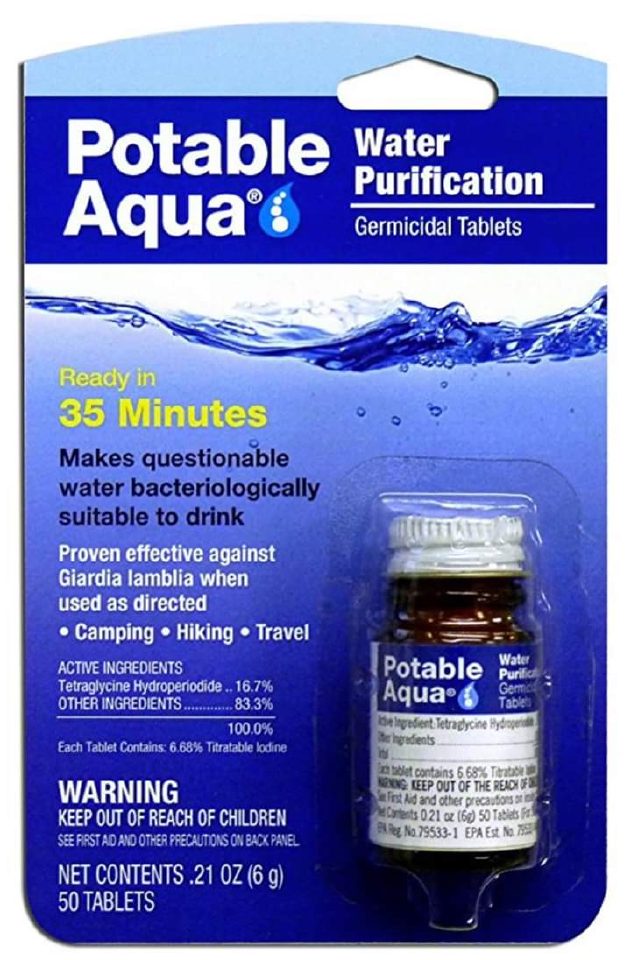
As a result, for the last 300 miles, I used the Iodine tablets often. You have to wait 30 minutes for them to have the full effect, but it was easy to drop them in and just start walking. Instead of spending 30 minutes filtering 3 liters of water, I would spend 3 minutes getting the water, and be on my way.
Now, there were instances where cow patties were in the water, or close to it. In those cases, I filtered anyway. Even though Iodine would kill the bacteria, and I would be just fine, I didn’t want to drink feces.
Maybe that’s just me.
Next up, worn weight, or, everything I was wearing…