The Gear - Part 2 - Cook Kit & Electronics
Monday, Jan 21, 2019 | 8 minute read | Updated at Monday, Jan 21, 2019
Cook kit
Pot
For my first 3 day backpacking trip, I had a Jetboil micro-stove. It provides the pot, the stove, a windscreen, and even a built in piezo lighter for 12.5 ounces. It’s almost the perfect solution. It’s certainly easy to use, and is not likely to ever tip over.
12.5 ounces was too heavy, though. I opted to try to piece together a similar system at half the weight.
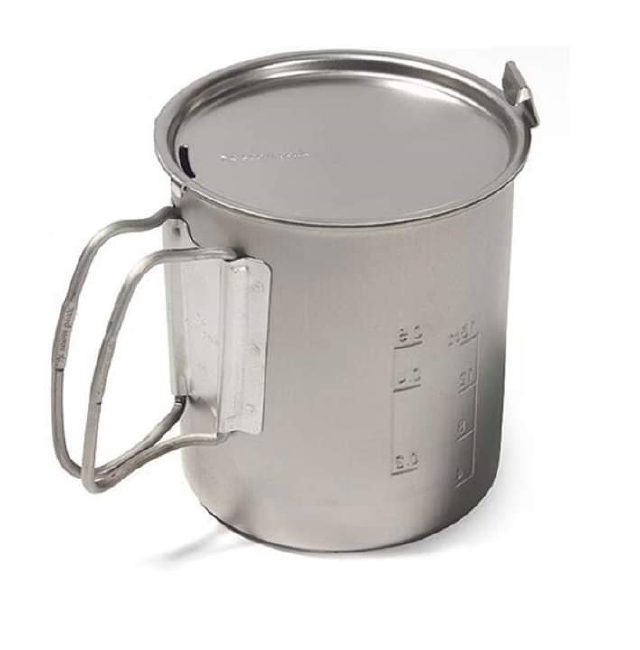
For a pot, I had the Snow Peak Titanium Trek 700 mug. It was fine, but I didn’t like that the lid is loose, without any built-in way to attach. The mug is the perfect size to fit a fuel canister, a stove, lighter, spoon, and a small towel, but in order to keep it all contained in the mug, you have to use a stuff sack, and even then, it still rattles around.
I hate that rattle. I am not a snake. I want to be able to run without a rattle.
Although I mostly used it to boil water, and to soak food items in, I tried cooking in it once. Titanium, as I learned, does not distribute heat evenly, so if any food is left unstirred while the pot is exposed to heat, you will burn the food and leave a permanent spot on the pot. Ugh.
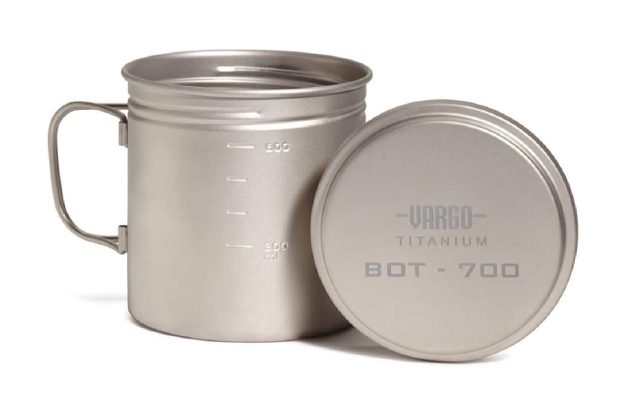
When I returned to the trail after my ankle injury, I replaced it with a Vargo Bot 700. The Bot is nearly double the price, but it has a screw top. Effectively, you’re paying $50 for threads to screw in a top.
Was it worth it?
Absolutely. Now, I had a completely self-contained cook system, not to mention a pot I could cold soak items in while I walked. I was very happy with it.
Stove
I used the BRS-3000 Ultralight cannister stove. It’s 0.9 ounces and $17 from Amazon. It’s a generic product from generic factory in China, and the build quality is not so great. There are higher quality, similar stoves that weigh 2.9 ounces and above, but honestly, how much quality do you need? It worked wonderfully, and it was cheap, and it weighs less than an ounce. I don’t see any reason to use anything else.
All that being said, I will be choosing a different cook kit in the future. Everything will be replaced.
Electronics
Power
Although I considered a solar panel, and I have one that I’ve tried in the past, ultimately it’s not worth it. You need unobscured, bright sun for 6-8 contiguous hours in order to get a full charge, and that’s unlikely to happen. Trees, overcast, mountains - all of these things make it less useful in real situations.
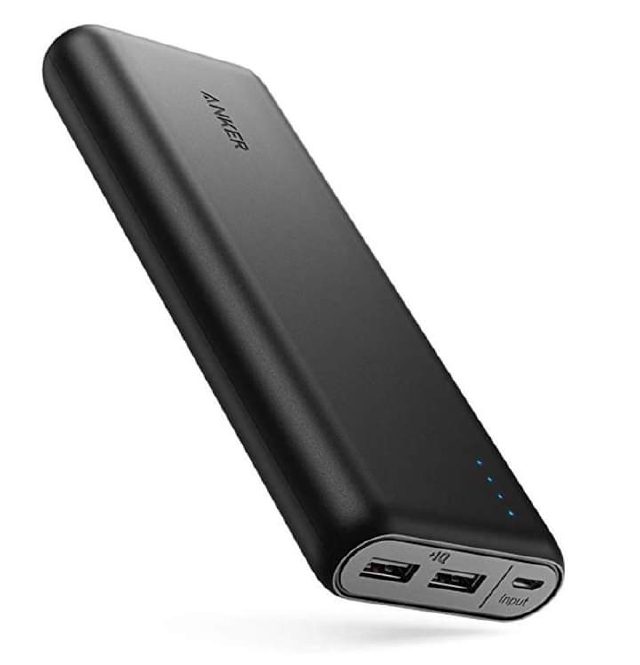
Instead, I carried a battery that I could recharge in town. I got the Anker Powercore 20100 on Amazon during a fantastic sale for $20. 20100 mAh gave me enough power to charge my iPhone X and Apple Watch Series 3 four times, with change. That is assuming I spent a decent portion of the day on the internet, which I often did.
Let me say that some people think it’s important to disconnect. I don’t think that. I like the internet. It’s where all my friends live.
If I needed my devices to last more than 4 days, I would taper back my use of my phone, and be just fine for several more days.
At first, I carried the included Apple USB charger, but one USB port was not enough, so I purchased a dual port charger in a grocery store along the way, so that I could charge my phone and the battery pack at the same time while in town.
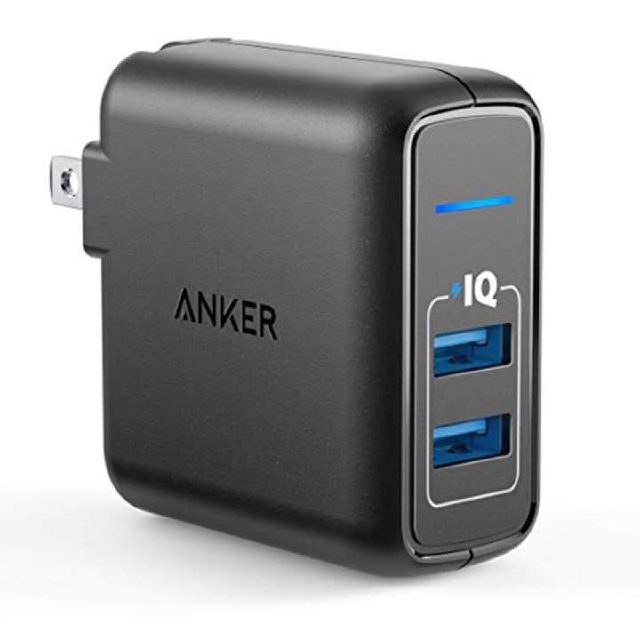
Unfortunately, the 20100 mAh took about 10 hours to charge, so if I was not staying overnight in a hotel, or near a plug, it was nearly useless. I switched up the charger for the Anker Elite Powerport 2, which has PowerIQ, allowing a faster charge. It was better, but still not good enough.
The phone was absolutely necessary for the hike because the GutHook app provided a map, GPS tracking, and waypoint information, such as water sources and trail heads. Hikers can leave comments, which is massively useful to see someone mark a water source as dry just a week earlier, so that you’re not left thirsty, having to walk another 10 miles without water. Using the app and the user comments lets you plan accordingly.
In the future, I will carry a smaller battery of 10,000 mAh and use my phone less, mostly because saving 6 ounces is worth using the phone less.
Light
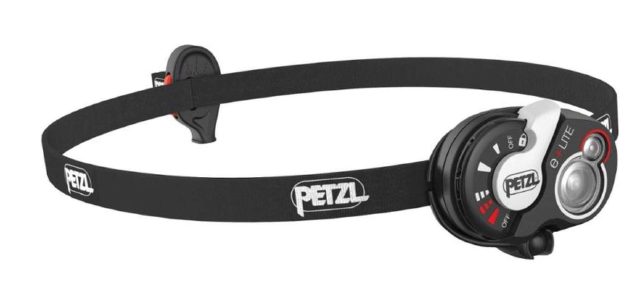
I first carried the Peztl e-Lite headlamp. It had an output of 90 lumens, but I was irritated that I couldn’t see very well, even in the tent. I switched to the Black Diamond Spot with its 3 ounces of weight and output of 360 lumens. It was better inside the tent, but still not bright enough.
I considered moving to a NiteCore headlamp with 1000 lumens. It’s much heavier, and I then reconsidered what I wanted a light for - what was I doing so much at night? I needed the headlamp because I was making poor scheduling decisions, and I was expecting it to perform better in direct moonlight.
Also, I didn’t consider the parallax effect, wherein you cannot see shadows if the light is being produced near your eyes. The lack of perception of shadows added to my frustration, both in the tent and when night hiking on the trail. When you’re walking, you tend to assume that you will automatically handle obstructions in your path. It’s almost an autonomic function. I was surprised, therefore, when night hiking, when I had to specifically consider the ground in front of me. I realized later that it’s because I didn’t see the shadows, therefore my depth perception did not factor in to my movement, and therefore I would have to pay closer attention to the trail, even though it was clear - not as clear as day, but clear enough.
That’s dumb.
In the future, I will have another solution, and will be not be carrying a headlamp at all.
Satellite GPS/Communicator
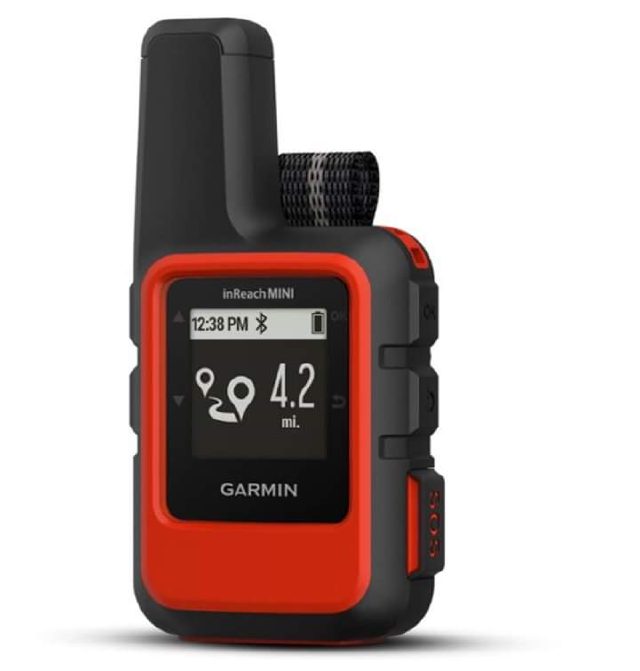
Although I used my phone for GPS-based navigation, I used the Garmin Inreach Mini to keep track of my location for both safety purposes, and for certain people to know where I was. I had it update every hour, which provided about 5 days of use between charges. In a pinch, you can use it to send and receive text messages, but for most of the trail, there was LTE coverage at least once per day, so I never used that functionality.
The Inreach is orange, so honestly, it was partially just fashion.
Headphones
I wanted to carry my AirPods. I suspected, however, that I would lose them, and they don’t work well if you need to sleep with them. I carried the default iPhone headphones. They’re not as hip, but they were fine, and served their purpose.
Camera/Video Gear
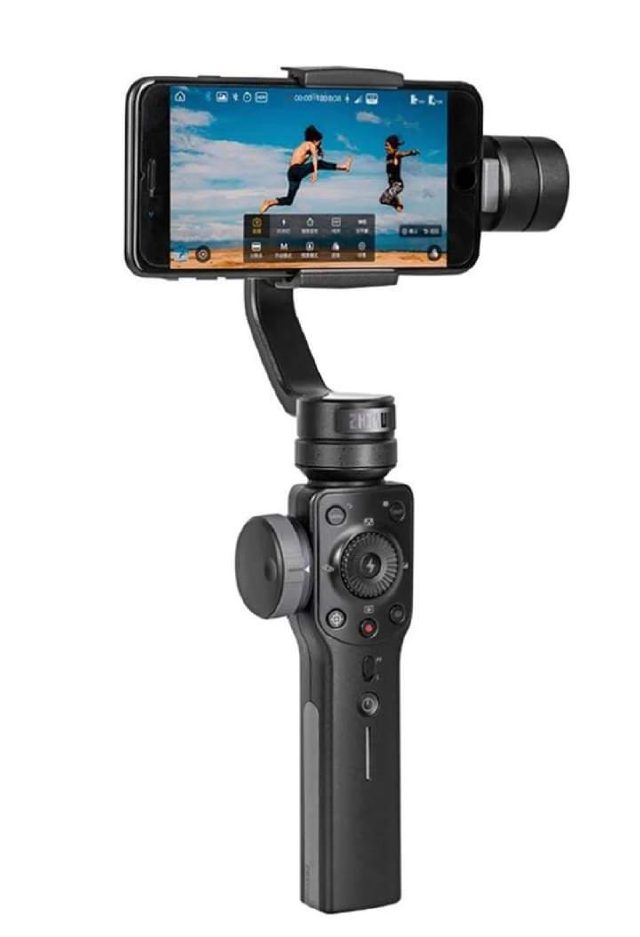
I started the trail with an extra phone, the iPhone 7, and the Zhiyun Smooth 4 gimbal. The iPhone 7 was six ounces, and the gimbal 19 ounces, making it a whopping additional 1.56 pounds (25 ounces). I wasn’t sure if I wanted to make videos, but I mastered the gimbal and some specialized film apps before the trail to give myself a head start. While I made some videos, most of them didn’t have the quality necessary for publication.
The iPhone is simply not designed for taking video while moving. The optical stabilizer is intended to be used when the phone is stationary. If it’s moving, the stabilizer tries to compensate, even when it clearly can’t handle the movement. The digital stabilizer tries to compensate for what the optical sensor cannot handle, and you end up with a jitter that cannot be corrected in software. Many Android phones have the same problem.
If the stabilizer could be turned off, and simply leave the video alone, then the shake could be handled in post-production by software, but the jitter makes it unusable for quality video production. Because you can’t turn off the internal phone stabilization, even a high quality gimbal doesn’t help, because it’s not just moving video, the footage itself is distorted.
I left the gimbal and extra phone at home when I returned to the trail, saving over a pound and a half of unnecessary weight.
For the remainder of the trail, I used my iPhone X to take photos, and took some pretty great shots at that.
In the future, I will try out some other options, and continue to consider whether I want to put the effort into making videos and become famous shill on Youtube.
Next up, Shelter & Tools…